F1 2026 Regulations: Will New Rules End McLaren's Reign?
The roar of Formula 1 engines, the scent of burning rubber, and the electrifying tension of a championship battle – these are the hallmarks of a sport that consistently pushes the boundaries of engineering and human endurance. As the hypothetical dust settled on the 2025 season, a new monarch ascended the throne: Lando Norris, clinching his maiden World Championship, ending Max Verstappen's impressive four-year streak. This historic triumph, combined with McLaren's dominant constructor's title – their first since Lewis Hamilton's era in 2008 – painted a vivid picture of a potential new era, an orange ascendancy, ready to challenge the legacies of Red Bull and Mercedes. Yet, even before the champagne corks stopped popping, a seismic shift loomed on the horizon: the sweeping F1 2026 regulations. These aren't minor tweaks; they represent a fundamental reimagining of the sport, promising an unprecedented level of
f1 sport disruption that could reshape the competitive landscape entirely. The question on every fan's mind is stark: will these revolutionary rules cement McLaren's nascent reign, or will they serve as the ultimate equalizer, plunging the sport into an era of glorious, unpredictable chaos?
The Dawn of a New Era: McLaren's Hypothetical 2025 Dominance
Imagine the scene: Melbourne Park, Australia, hosts the season opener, but the real narrative unfurled across a dramatic 2025 campaign. Lando Norris, after years of promising performances, finally reached the pinnacle, securing the drivers' championship by a mere two points over a fierce Max Verstappen. His teammate, Oscar Piastri, also delivered a stellar performance, contributing significantly to McLaren's overall constructor's title. This wasn't just a win; it was a statement. After years in the wilderness, McLaren had seemingly found their stride, building a formidable package and nurturing a world-beating driver lineup. Their 2025 dominance, with Mercedes a distant second, evoked memories of past dynastic periods – the Schumacher era at Ferrari, Red Bull's early 2010s dominance, or Mercedes' hybrid supremacy. Fans and pundits alike began to speculate: was this the beginning of McLaren's sustained return to the top, ready to forge their own legacy for years to come? The potential for an "Orange Reign" was palpable, promising exciting, high-stakes racing for the foreseeable future. However, Formula 1 has a unique way of keeping everyone on their toes, often through radical rule changes designed to prevent stagnation and encourage innovation, which brings us to the monumental changes awaiting in 2026.
Unpacking the 2026 F1 Sport Disruption: A Slew of New Regulations
The prospect of McLaren establishing a long-term dominance, much like their predecessors, has been significantly complicated by a comprehensive overhaul of the sport's technical regulations for 2026. These aren't minor adjustments; we're talking about fundamental changes to engines, chassis, aerodynamics, tyres, and even fuel composition. This multi-faceted approach aims to create a more sustainable, equitable, and thrilling form of racing, but its immediate effect will undoubtedly be one of profound
f1 sport disruption. Historically, major regulation shifts have been the ultimate reset button, often shuffling the pecking order dramatically. Teams that master the new rulebook early can gain a significant, sometimes insurmountable, advantage, while those who misinterpret the spirit or letter of the regulations can find themselves languishing at the back. The scale of these changes is precisely why the preseason chatter and post-race analyses, even after thrilling events like the Australian Grand Prix, have been dominated by critiques and discussions surrounding their potential impact. For a deeper dive into the contentious nature of these new regulations and their overarching goals, read about
F1's Controversial New Rules Set Stage for Open 2026 Season.
Engine Overhaul: The Heart of the Disruption
At the core of the 2026 regulations lies a monumental transformation of the power unit. The new engines are designed with a stronger emphasis on sustainability and road relevance. The most significant changes include:
*
Increased Electrical Power: The electrical component of the hybrid power unit will see a substantial boost, almost tripling in output. This means a much greater reliance on electrical energy throughout the lap, fundamentally altering power delivery and energy management strategies.
*
Removal of the MGU-H: The complex and expensive Motor Generator Unit – Heat (MGU-H), responsible for recovering energy from exhaust gases, has been removed. This aims to simplify the power unit, reduce costs, and make it more appealing for new manufacturers to enter the sport.
*
Sustainable Fuels: F1 will transition to 100% sustainable fuels, a significant step towards the sport's net-zero carbon target by 2030. This requires extensive development and adaptation from engine manufacturers.
These changes are not merely incremental; they demand a completely fresh design philosophy. Engine manufacturers like Mercedes, Ferrari, Honda, and the new entrant Audi (partnering with Sauber/Stake F1) will be starting almost from scratch. The performance delta between the best and worst power units could be immense in the initial phases, providing an opportunity for significant gains or crippling setbacks. Teams with strong, innovative engine partners will undoubtedly hold a crucial advantage.
Chassis, Aerodynamics, and Tyres: Redefining the Racecraft
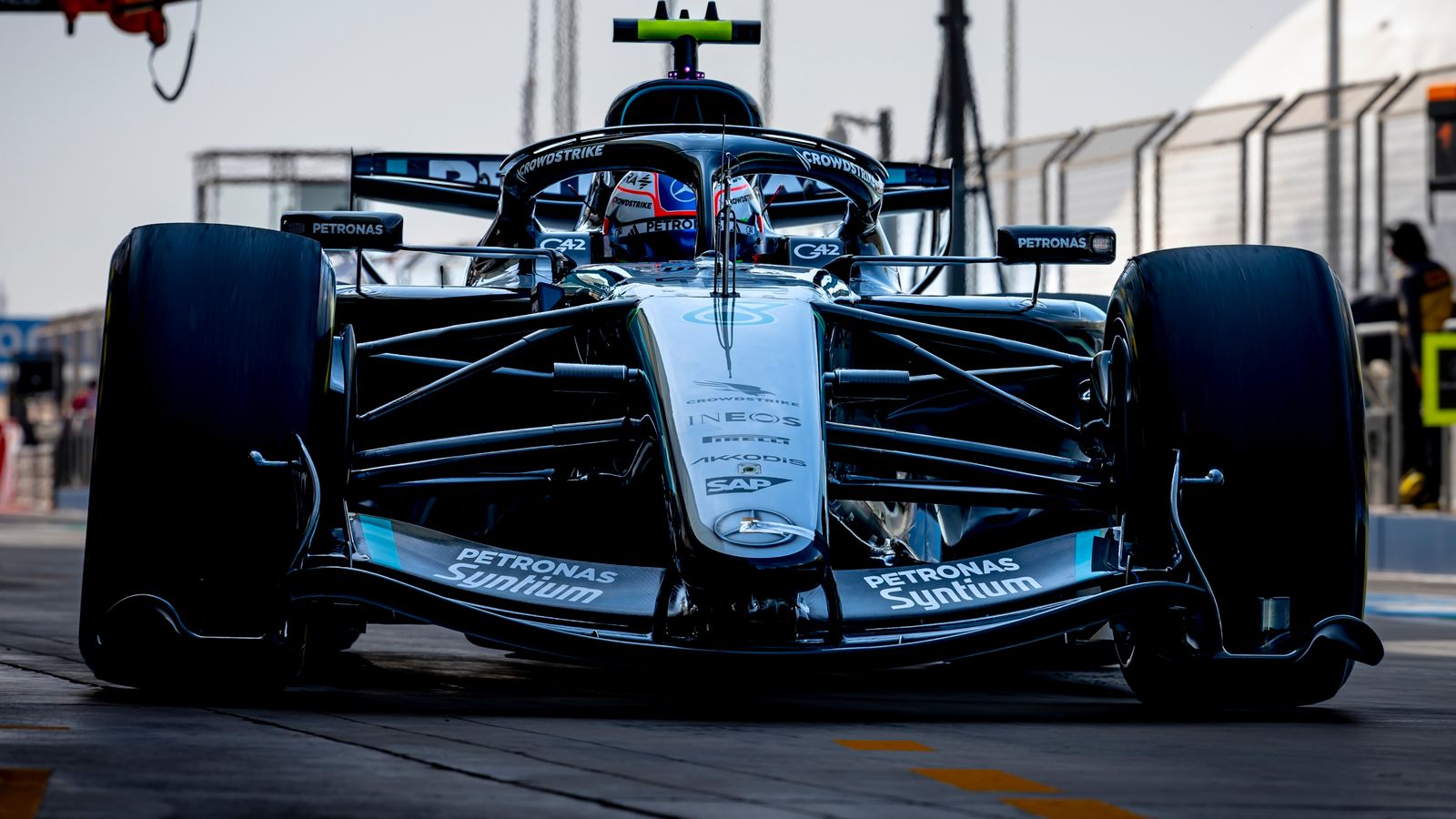
Beyond the power unit, the 2026 rules dictate a complete redesign of the chassis and aerodynamics, aiming to create lighter, more agile cars that promote closer racing. Key aspects include:
*
Lighter, Smaller Cars: The cars are expected to be lighter and potentially smaller, enhancing maneuverability and reducing the overall footprint. This directly impacts how a car feels to drive and how it behaves in traffic.
*
Active Aerodynamics: A highly anticipated feature is the introduction of active aerodynamics, where elements like front and rear wings can adjust their angle of attack to reduce drag on straights and increase downforce in corners. This innovative solution seeks to improve efficiency and facilitate overtaking.
*
Tyre Regulations: While specific details are still emerging, tyre manufacturers like Pirelli are working on new compounds and constructions that complement the lighter cars and active aero. The aim is often to reduce overheating and degradation, allowing drivers to push harder for longer and foster more engaging wheel-to-wheel battles without constant tyre management woes.
The synergy between these elements – a new power unit, a lighter chassis, active aero, and redesigned tyres – demands a holistic approach to car design. A team's ability to integrate these complex systems effectively will determine their success. The drivers, too, will face a steep learning curve, adapting their driving styles to cars with different power characteristics, aerodynamic profiles, and tyre behavior.
Will McLaren Weather the Storm of Disruption?
Given McLaren's hypothetical 2025 success, the 2026 regulations present both their greatest challenge and their greatest opportunity. Maintaining momentum after a period of dominance is always difficult, but it's compounded when the rulebook is effectively torn up. What factors will determine McLaren's ability to weather this storm of
f1 sport disruption?
*
Resource Allocation: Teams must strategically balance their 2025 development with the intense demands of designing an entirely new 2026 car. McLaren's ability to commit significant resources – both financial and intellectual – to the 2026 project without compromising their 2025 title defense will be critical.
*
Engineering Talent and Innovation: Success in new regulatory eras often hinges on a team's ability to innovate and find clever interpretations of the rules. McLaren's engineering department, led by Andrea Stella, will need to be at their absolute best, pushing boundaries and finding unique solutions.
*
Power Unit Partnership: McLaren's relationship with their engine supplier (currently Mercedes) will be more crucial than ever. A strong, collaborative partnership that ensures a competitive and reliable power unit is non-negotiable for success.
*
Driver Feedback: Lando Norris and Oscar Piastri, with their combined talent and feedback, will be instrumental in guiding the development process. Their ability to articulate the car's strengths and weaknesses and adapt to new driving characteristics will accelerate the team's progress.
History offers cautionary tales and inspiring examples. Teams like Brawn GP in 2009 or Mercedes in 2014 demonstrated how a deep understanding of new regulations could catapult a team to immediate success. Conversely, established giants have stumbled badly when failing to adapt. For McLaren, the 2026 season represents the ultimate test of their newfound strength and resilience.
The Critiques and the Promise of an Open Field
Even with the promise of more sustainable and potentially thrilling racing, the 2026 regulations haven't escaped scrutiny. As observed even after exciting races like the Australian Grand Prix, the F1 preseason has been "dominated by criticism of its new rules, and while Australia's season opener boasted lots of passing, the critiques didn't stop." This highlights the inherent tension in such radical shifts. Concerns often revolve around the complexity of the new power units, the potential for one team to find a "silver bullet" solution that creates an immediate and possibly prolonged dominance, or unintended consequences that might detract from the racing spectacle. For more insights into the ongoing debate, check out
F1 2026: Rule Critiques Persist After Thrilling Australian GP Start.
However, amidst the critiques, there's an undeniable undercurrent of excitement. The consensus among many is that 2026 "could potentially be one of the most open seasons in recent memory." The substantial changes mean that every team starts with a blank canvas, offering a genuine opportunity for any constructor – from the established giants to the midfield challengers – to rise to prominence. This prospect of an unpredictable, competitive grid is precisely what makes the
f1 sport disruption of 2026 so captivating. It's a chance for new heroes to emerge, for the pecking order to be entirely reshuffled, and for the drama of Formula 1 to reach new heights.
In conclusion, the F1 2026 regulations represent a monumental gamble and an exciting evolution for the sport. While McLaren's hypothetical 2025 dominance positioned them for a potential era of sustained success, the sweeping changes to engines, chassis, and aerodynamics introduce an unparalleled level of uncertainty. These regulations are designed to be a catalyst for significant
f1 sport disruption, aiming to create a more level playing field and promote closer, more thrilling racing. Whether McLaren can successfully navigate this tumultuous period and continue their reign, or if another team will emerge from the chaos to claim supremacy, remains to be seen. One thing is certain: the 2026 Formula 1 season promises an exhilarating journey into the unknown, brimming with strategic battles, technological innovation, and the thrilling spectacle of a truly open championship fight.